ABOUT ZOLADEX FOR PREMENOPAUSAL ADVANCED BREAST CANCER

Close-up of man's hand holding onto female breast cancer patient's hand

Actor portrayals.

Ellipse Shape

Receiving a cancer diagnosis can be very difficult for you and your family. Your doctor may have prescribed a number of treatments, including ZOLADEX.

Before getting started with ZOLADEX, here is some basic information you might like to know. Remember, your healthcare team is there to help you; talk to them about how you are feeling so they can provide the care you need.

Not all breast cancers are the same

To help doctors know what is fueling your breast cancer, your tumor will be tested for certain markers called “receptors.” The test may show that your tumor has one type of receptor, more than one type of receptor, or it may show that it has none of the receptors tested.

Illustration of hormone receptor-positive tumor

If your tumor is hormone receptor-positive (HR+), it means your cancer cells have hormone receptors. The hormone receptors may be estrogen receptors (ER), progesterone receptors (PR), or both.

Illustration of human epidermal growth factor receptor 2 positive tumor

If your tumor is human epidermal growth factor receptor 2 positive (HER2+), it means your cancer cells have HER2 receptors.

Illustration of triple negative tumor

If your tumor is triple negative, it means your cancer cells do not have ER, PR, or HER2 receptors.

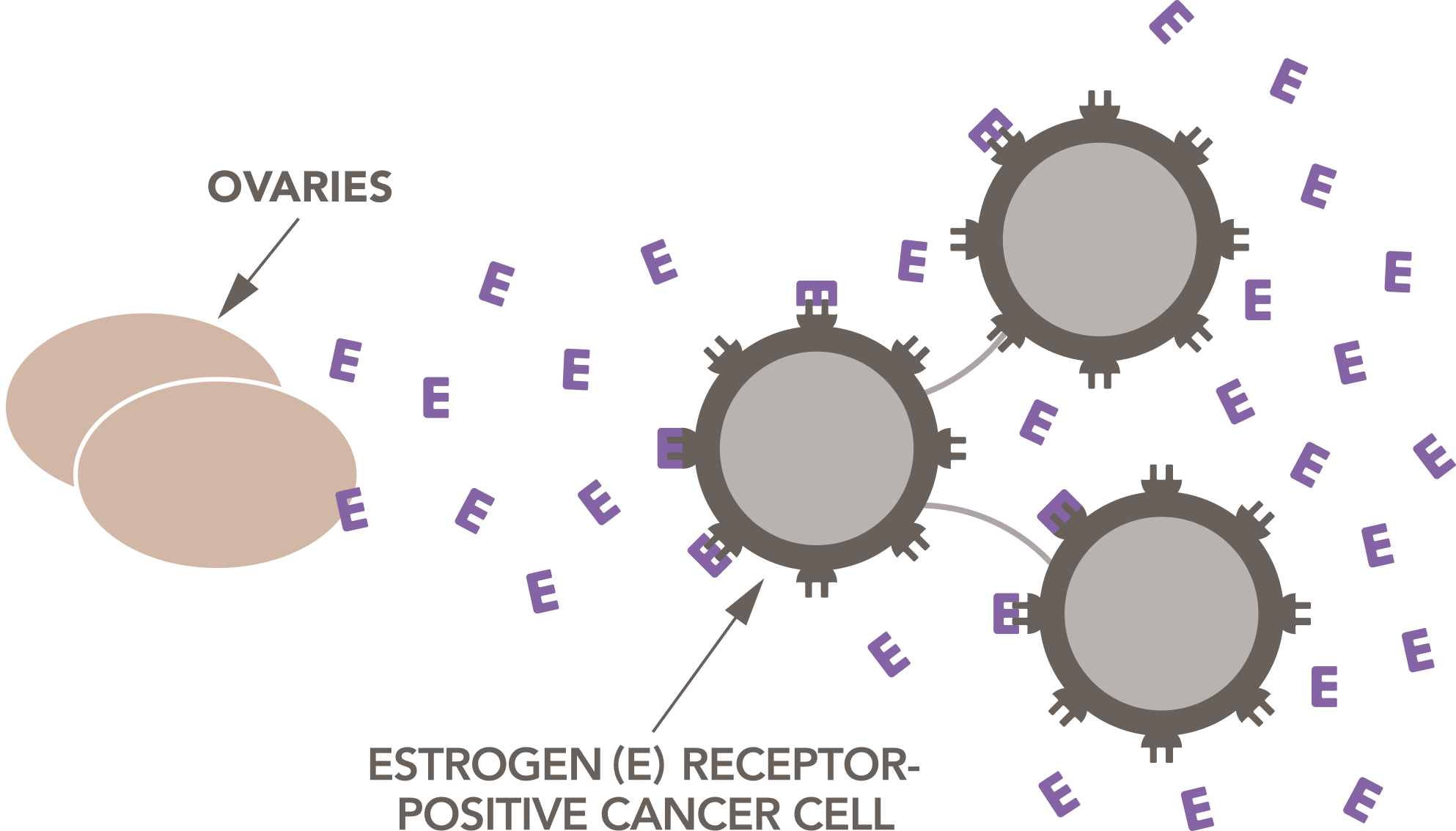
If your doctor is prescribing ZOLADEX, it is because your breast cancer is ER+. This means your specific tumor is fueled, in part, by the estrogen in your body. If you are premenopausal, your body makes estrogen primarily through your ovaries. As such, stopping ovarian function cuts off a fuel source for your breast cancer.

Ellipse Shape

Importance of receptor tests

The results play an important role in planning your treatment. Following these tests, your doctor will design a treatment plan for you, possibly including chemotherapy, as well as other drugs used to treat your specific type of cancer.

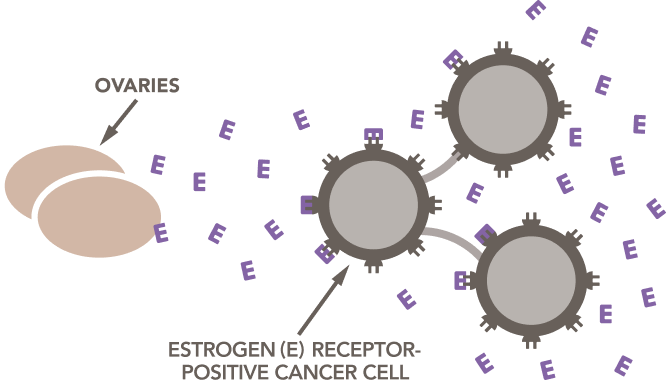
Illustration of how ovaries release estrogen that fuels estrogen receptor-positive cancer cells

Treatment strategies for premenopausal ER+ breast cancer

Your doctor will decide what’s best for you, but three kinds of treatments are often used:

Ovarian suppression

ZOLADEX blocks a hormone produced in the brain, called gonadotropin-releasing hormone (GnRH), that triggers the ovaries to make estrogen. ZOLADEX is reversible, meaning that your periods should resume within a few months of ceasing injections. Your doctor may also consider permanent, non-reversible options, like oophorectomy, where the ovaries are surgically removed, or radiation that permanently stops ovarian function, known as ovarian ablation.

Endocrine therapy

Your doctor may prescribe an aromatase inhibitor (AI) or tamoxifen. AIs reduce estrogen made by tissues other than the ovaries, such as fat cells, the liver, and adrenal glands. Alternatively, tamoxifen is a drug that blocks estrogen from binding to breast cancer cells. If your doctor prescribes tamoxifen, he or she may or may not recommend ZOLADEX, depending on your specific breast cancer.

Targeted therapy

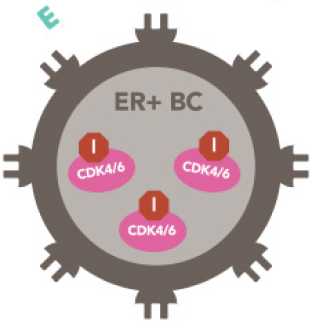
Your doctor may also recommend adding a CDK4/6 inhibitor to your treatment plan. CDK4/6 inhibitors are non-hormonal inhibitors that suppress the activity of CDK4/6 enzymes, which help cancer cells grow and divide.

Ellipse Shape

Two widely accepted treatment strategies include ZOLADEX

For premenopausal women diagnosed with ER+ breast cancer who have been treated with chemotherapy, or are young at diagnosis, there are two widely accepted treatment strategies for limiting the effects of estrogen on the cancer.

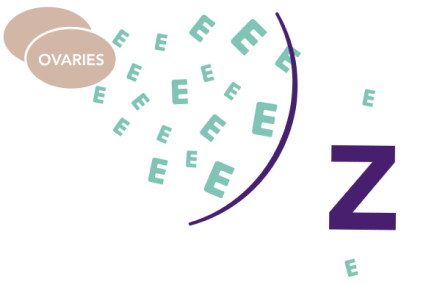
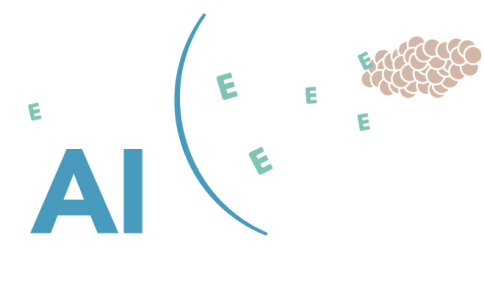
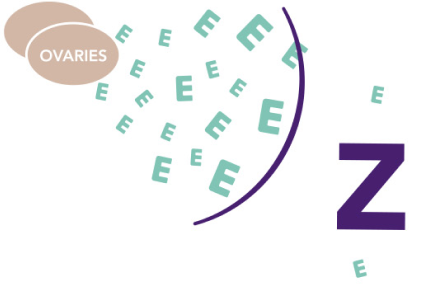
Illustration of how ZOLADEX reduces estrogen made by the ovaries and aromatase inhibitors reduce estrogen made by other tissues
ZOLADEX (Z) reduces estrogen (E) made by the ovaries.
Illustration of how ZOLADEX reduces estrogen made by the ovaries and aromatase inhibitors reduce estrogen made by other tissues
Aromatase inhibitors (AIs) reduce the estrogen (E) made by tissues other than the ovaries, such as fat cells, the liver, and the adrenal glands.

CDK4/6 inhibitors may be used in either treatment strategy to suppress the activity of CDK4/6 enzymes, which help cancer cells grow and divide.

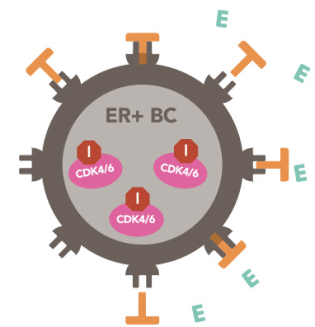
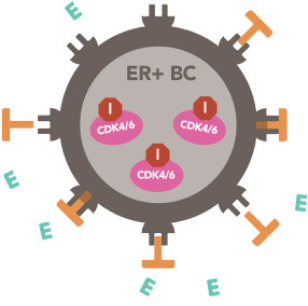
Illustration of how ZOLADEX reduces estrogen made by the ovaries and tamoxifen blocks estrogen from breast cancer cells
ZOLADEX (Z) reduces estrogen (E) made by the ovaries.
Illustration of how ZOLADEX reduces estrogen made by the ovaries and tamoxifen blocks estrogen from breast cancer cells
Tamoxifen (T) blocks the estrogen (E) from breast cancer cells.

If your doctor recommends tamoxifen, he or she may or may not recommend ZOLADEX, depending on your specific breast cancer.

Illustration of speech bubble of stethoscope around plus sign

What to expect when starting ZOLADEX

Learn more about the following conditions

Learn more about the following conditions

Important Safety Information and Usage

Who should NOT take ZOLADEX?

You should not take ZOLADEX if you are allergic to any of its ingredients or if you are allergic to medications that contain any of its ingredients or similar hormonal therapies.

You should not receive ZOLADEX if you are pregnant, or could become pregnant. Pregnancy must be excluded and nonhormonal contraception is to be used during ZOLADEX therapy.

What is the most important information I should know about ZOLADEX?

Serious side effects that may occur in both men and women taking ZOLADEX include:

  • Tumor Flare Phenomenon (worsening tumor symptoms). Short-term worsening of tumor symptoms may occur in the first few weeks of therapy for men and women. This is due to the temporary increases in testosterone in men and estrogen in women. Rare cases of urinary tract blockage or spinal cord compression have been seen in men being treated for prostate cancer. Some cancer patients may also have increased bone pain during the first few weeks of ZOLADEX treatment.
  • Abnormal Heart Rhythm. ZOLADEX may affect the electrical activity of your heart and could cause an irregular heartbeat. Your doctor should determine if the benefits of using ZOLADEX outweigh the risks, especially if you were born with a heart rhythm condition, have heart failure, abnormal blood tests or electrolytes, or take medications that may affect your heartbeat.
  • Severe Skin Reactions. Severe skin reactions, which may be life-threatening or fatal, can be caused by ZOLADEX or drugs like ZOLADEX. Immediately contact your doctor or seek medical attention if you develop any signs or symptoms of a severe skin reaction, including fever or flu-like symptoms, blisters in the mouth, nose, throat, or eyes, severe rash or rash that continues to get worse, sores or blistering of the skin, or swollen lymph nodes.
  • Injection Site Injury. Injuries at the injection site have been reported with ZOLADEX. This includes pain at the injection site, bleeding coming from a damaged blood vessel, and pooling of blood under the skin.
  • Elevated Calcium Levels. Similar to other hormonal therapies, high calcium levels have occurred in some patients with prostate and breast cancer that has spread to the bones after starting treatment with ZOLADEX.

Serious side effects that may occur in women taking ZOLADEX include:

  • Pregnancy and Breastfeeding. ZOLADEX may harm your unborn baby and may increase the risk of pregnancy loss. Pregnancy must be excluded and nonhormonal contraception is to be used during ZOLADEX therapy, and for at least 12 weeks after your last dose.
  • Clinical Depression in Women. Depression may occur or worsen in women receiving medications such as ZOLADEX. Tell your doctor right away if you experience new or worsening mood changes or thoughts of harming yourself.

Serious side effects that may occur in men taking ZOLADEX include:

  • Increased Blood Glucose and Diabetes. There is an increased risk for developing diabetes or worsening of glucose control if you already have diabetes while being treated with drugs like ZOLADEX.
  • Increased Risk of Heart Disease. There is a small increased risk of heart attack, sudden cardiac death, and stroke during treatment with drugs like ZOLADEX.

What should I tell my doctor before receiving treatment with ZOLADEX?

Before starting ZOLADEX, tell your doctor:

  • If you are allergic to ZOLADEX, any of its ingredients, or to any similar medications.
  • If you are pregnant, plan to become pregnant, or are breastfeeding.
  • If you have any unusual vaginal bleeding that has not been diagnosed by your doctor.
  • About all the medicines you take, including prescription and over-the-counter medicines, vitamins, and herbal supplements.
  • About all your medical conditions.

What are the possible side effects of ZOLADEX?

The most common side effects of ZOLADEX that may occur in women and in men include:

  • In women, the most common side effects are those resulting from reduction of estrogen. Those seen are hot flashes, headaches, sweating, acne, changes in mood or behavior, depression, decreased sex drive, vaginal irritation/dryness, change in breast size, skin flaking, and swelling in the arms and legs.
  • In men, the most common side effects are those resulting from reduction of testosterone. Those seen are hot flashes, sexual dysfunction, decreased erections, and lower urinary tract symptoms.

These are not all of the possible side effects of ZOLADEX. Be sure to contact your doctor or healthcare team right away if you are worried about any side effects or have questions.


You are encouraged to report side effects to the FDA at 1-800-FDA-1088 or www.FDA.gov/medwatch. You may also contact TerSera Therapeutics at 1-844-334-4035 or medicalinformation@tersera.com.

Please see accompanying Full Prescribing Information for ZOLADEX 3.6 mg and ZOLADEX 10.8 mg.

What is ZOLADEX?

ZOLADEX is a prescription medication provided in two different dosage forms:

  • ZOLADEX 3.6 mg is used to treat women diagnosed with breast cancer, endometriosis, and dysfunctional uterine bleeding, as well as to treat men with prostate cancer.
  • ZOLADEX 10.8 mg is used to treat men with prostate cancer.

You are encouraged to report side effects to the FDA at 1-800-FDA-1088 or www.FDA.gov/medwatch. You may also contact TerSera Therapeutics at 1-844-334-4035 or medicalinformation@tersera.com.

Please see accompanying Full Prescribing Information for ZOLADEX 3.6 mg and ZOLADEX 10.8 mg.